Recommended Reading If:
- You organize meetings, off-sites or social gatherings
- Recurring meetings that you attend feel flat, and want to offer some practical suggestions to improve them
- You want a reputation of running a tight ship and crisp meetings
I have always been energized by meeting design. Some of them will have been conceived of weeks in advance, some were improvised on the spot. You know pride you feel when you pull off a sensational session. No wonder, there’s a rule set, a confluence of individual personalities, communication mediums, objectives, dynamics. For a systems thinker, it is an exciting challenge: How can you structure a gathering to maximize its results to the absolute fullest.
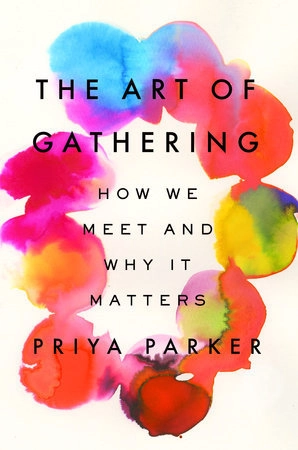
The Art of Gathering provides a recipe book with ingredients, instructions and rationale for how to design, shape and execute gatherings that matter. From all-hands meetings, to daily stand-ups, to even social gatherings with friends. Any time you have more than one person, that’s a gathering. How can you maximize your meetings? Priya Parker has some thoughts.
Book Structure
- Decide Why You’re Really Gathering
- Close Doors
- Don’t be a Chill Host
- Create a Temporary Alternative World
- Never Start a Funeral with Logistics
- Keep Your Best Self Out of My Gathering
- Cause Good Controversy
- Accept That There is an End
Have Better Meetings, Start with Why
It is a cliche, sure, but ask, “Why are we meeting?”. The latest pithy saying is “why wasn’t this an email?”. If you are in the “why-not-an-email-zone” you need to reexamine the structure. What you want to hear: “This is my favorite meeting of the week.”
Parker makes the case that you must always ensure you have a point to the gathering and not to be satisfied with a simple topline agenda. Dig deeper into the why. Are you there to talk about the email you need to send to the client? Or are you there to solicit input and demonstrate to junior employees how you want your team to behave? Understanding the various goals as to what your meeting could achieve are as important as anything.
Don’t Be Chill
In this strikingly-titled chapter Parker impresses that it is your responsibility to shape and continually reshape the meeting as it progresses. Guiding the group throughout the execution of the meeting is a deliberate task requiring attention, lock in and do not lean back. Lean in and engage. The attendees will notice and reflect that energy back.
Intentional Openings
In the opening moments of any gathering, all attention is set on setting expectations. Set the opening tone with purpose, connection, and acknowledgement. What will this group expect to experience over the course of this gathering? Say it. Name it.
If you start with logistics, you immediately set the tone that this is a transactional meeting and the “could’ve been an email” hawks start circling above your head. By signaling things like agenda, times, goals, you declare that logistics, not connection, is the point of the gathering.
Seek Conflict, Have Better Gatherings
When people meaningfully engage with the subjects, topics and each other, conflict will arise. Even when folks believe they agree on a subject, invariably there are shades or aspects that will surface disagreement.
Parker reminds us of the difference between good controversy and bad. Good controversy is rooted in resolving the purpose of the gathering. Bad controversy hijacks the group and derails trust and progress.
The host of the gathering must be able to recognize opportunities to invite good controversy and surface it in a controlled way. This is where Parker’s advice of “Don’t Be a Chill Host” comes back.
ABC - Always Be Closing
If you have followed Parker’s advice up until this point, you have a rocking good gathering. But it must end. How can you prevent your gathering from falling flat and deflating all the work and energy invested by all the participants? Consider the off ramp, the landing, the final scenes.
How do you want your guests to feel and remember the time they spent with you, what core emotion or thought do you want them to carry away. Optimism? Concern? Joy? Parker relays the importance and a practical guide to nailing the dismount.
Summary
The Art of Gathering sits in that perfect sweet spot of instructive for novice meeting designers, and a great reference for seasoned veterans. When you treat meetings as gatherings with purpose, structure, and emotional resonance, they stop being chores and start becoming catalysts. Parker’s book is an excellent resource in designing those moments with intention, authority, and meaning.
Stop settling for the “this could have been an email” status quo and start designing experiences that leave your guests feeling more energized than when they arrived. By shifting from a passive participant to an intentional host, you don’t just run a better meeting, you honor the time of everyone in the room.