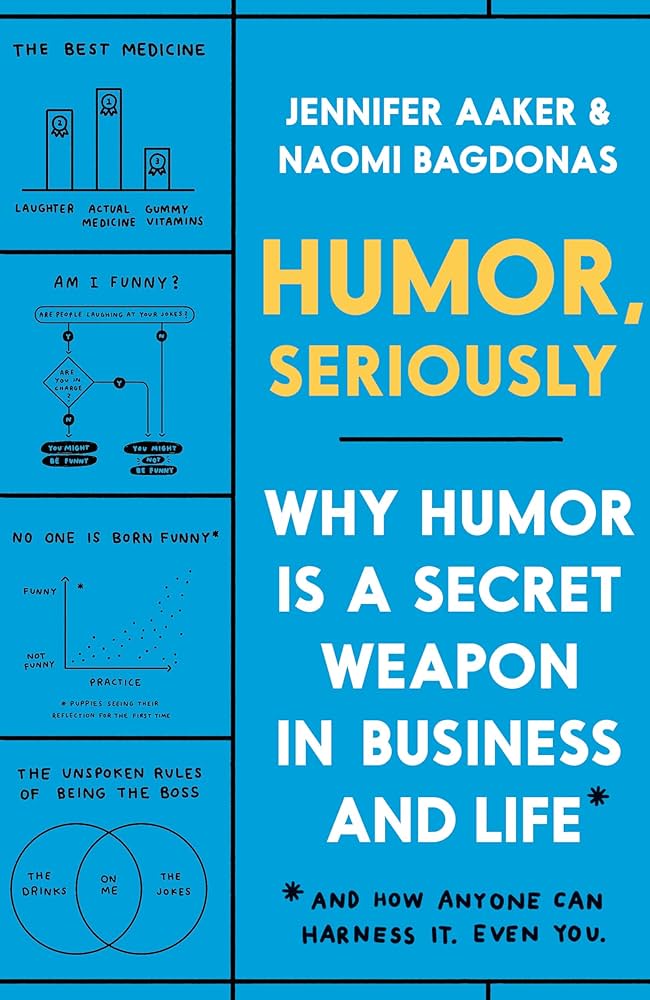
Humor isn’t just a nice quality. It’s an advantage. With humor, you build trust, instill humanity, disarm tension and make you a welcome presence at meetings.
Confidence to be humorous can be difficult for some, but worry not! We have some tips that will help.
Joke Sourcing
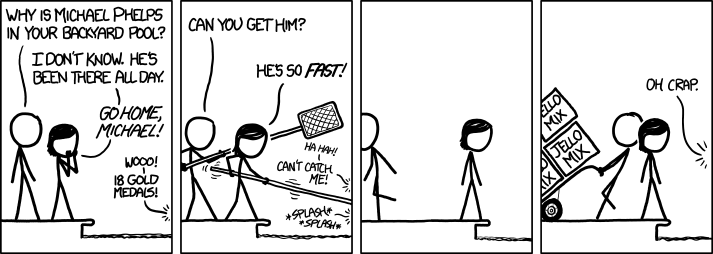
You don’t need to be a master of joke writing. There are myriad rules of what makes a great joke, eg, “rule of three” and expectation subversion. But you’re probably not moonlighting as a stand-up comedian, so use resources as a short cut. Joke books are cheap and make a great go-to during meetings. (one is built into ClarityBoss).
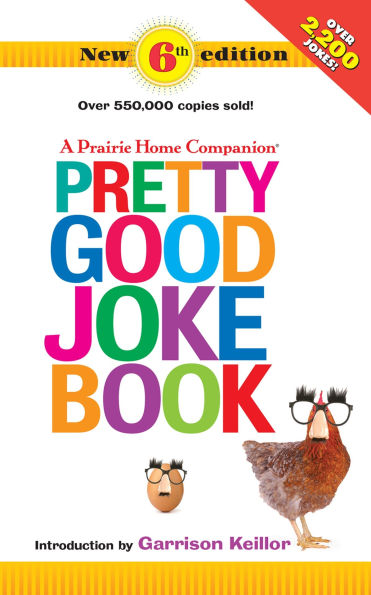
“Pretty Good” Jokes
- Always, 100% “safe for work”. The cliche “dad joke” is the sweet spot. Puns won’t win you awards at a comedy festival, but they will absolutely keep you out of HR’s office. In today’s climate, jokes about religion or politics are out of the safe zone, unless it’s an agnostic joke about “all politicians”.
- Use quick call and response type jokes. Knock knock is about as long of a joke as you can tell. Jokes with long setups are brutal, in a business context folks have distractions pulling their attention, and your 5 minute joke is not a priority.
Jokes to Avoid
- Never ever ever make jokes about your direct’s income or their employment. They are working to provide for themselves and their family. Calling that into question for a joke is a massive loss of trust and safety.
- Do not joke at the expense of a client or partner, even if you think you’re following the “punching up” rule. Doing so in private settings can be a pressure relief, but repeatedly it can cause a trend of jadedness that can cause long term harm.
Use Yourself as Bait
As a manager, a frequent target of jokes should be yourself. It signals to others that you don’t see yourself as “perfect”. These aren’t knee-slappers, but it’s a great go-to technique used by comedians to connect their humanity with the audience.
This is related to the practice of accusation-auditing (signaling to your audience that you think they have the upper hand).
Knowing me, I’ll go on a wild tangent again, but I’ll try to not make this a podcast.
If this demo flops, it’s the wifi’s fault.
You may think I have bad taste, but what I’m about to demo is so good, it might make you re-think peanut butter cups.
Roast the Right Folks
Try a good natured roasting a trusted person with power in your organization. Your people will appreciate that you’re willing to engage with a leader and remind them of humanity.
Who are valid punch up targets? Leaders that have a sense of humor.
Rules for punching up:
- Do so only when that person is present. Otherwise it’s back-stabby and poor taste.
- Do so in moderation, they’re people too, and if you make it too consistent you can build a reputation for singling out an individual.
- If you find yourself as a target of a light roasting, take it as a compliment! Roll with it with positivity and a smile.
Captive Audiences
Don’t assume you’re actually, truly funny because your directs are laughing. If you’re in a context in which you’re in charge, you have a “captive” audience. Your audience is compelled to laugh, because you’re the boss, and they don’t want to offend you. All the more reason to be humorous and move on.
Humor
Being humorous has an additional benefit. It provides a stark contrast when it’s time to convey seriousness. If you’re delivering a serious conversation or announcement, the absence of humor will be noted and understood by the audience.